
全國熱線服務:
新聞資訊 Top label
- The Complete Guide to Pressure Sensors: Technology, Applications, and Selection Criteria
- The Evolution and Advantages of Electro-Hydraulic Synchronous Press Brakes in Modern Manufacturing
- Revolutionizing Semiconductor Manufacturing: The Role of Electrostatic Chucks in Modern Wafer Processing
- What Is A Humidity Sensor? How Does It Affect Our Lives And Work?
- The Essential Guide to Modern Bending Machines: Technology, Applications, and Selection Criteria
- The Complete Guide to Modern Hospital Beds: Transforming Patient Care Through Advanced Design
Basic characteristics of honing tube production
The honing pipe material must be carefully inspected. There should be no harmful defects such as wrinkles, cracks, scars, scratches, etc. on the surface of the honing pipe. The size of the honing pipe should meet certain requirements, such as hot rolling. The outer diameter tolerance of the honing tube is about ±1-1.5%, and the thickness tolerance is about one (10-15)%, + (10-12.5)%; the curvature is generally not greater than 1.5-2 mm/m; the end of the honing tube should be straight and there should be no burrs; if there are burrs on the honing tube, they must be removed, which is especially important for cold-rolled tubes. In addition, the chemical composition and mechanical properties of the honing pipe material should comply with the provisions of the technical conditions.
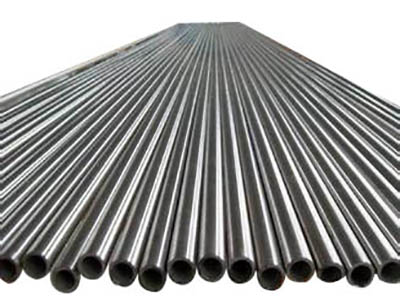 High precision cold drawn tube Click to view product details |
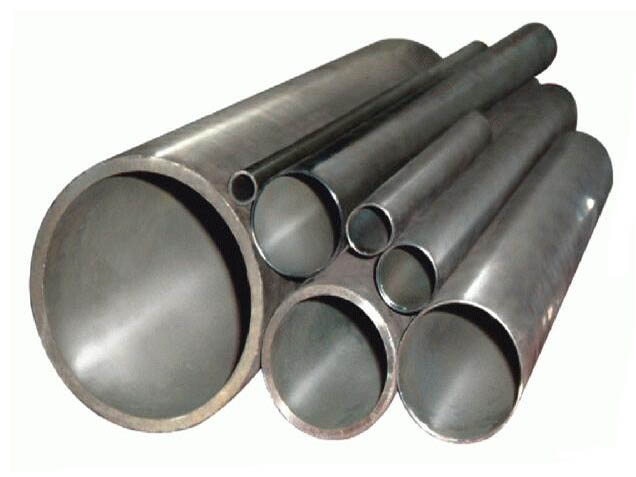 Honing tube Click to view product details |
Generally, the surface of the honing pipe material should be pickled first and then inspected. Minor defects in the honing tube can be repaired. To repair defects on the outer surface of the honing pipe, a peeling lathe, centerless grinder, portable or hanging grinder can be used.
The grinding of inner surface defects of the honing tube can be carried out on grinding machines such as internal boring machines. Since surface defects will continue to expand during the cold deformation process of the honing tube, and as the diameter of the honing tube decreases during the production of the honing tube, it is more difficult to repair the inner surface defects. Therefore, the surface defects of the honing tube material should be eliminated as much as possible before cold processing.