
全國熱線服務:
新聞資訊 Top label
- The Complete Guide to Pressure Sensors: Technology, Applications, and Selection Criteria
- The Evolution and Advantages of Electro-Hydraulic Synchronous Press Brakes in Modern Manufacturing
- Revolutionizing Semiconductor Manufacturing: The Role of Electrostatic Chucks in Modern Wafer Processing
- What Is A Humidity Sensor? How Does It Affect Our Lives And Work?
- The Essential Guide to Modern Bending Machines: Technology, Applications, and Selection Criteria
- The Complete Guide to Modern Hospital Beds: Transforming Patient Care Through Advanced Design
High precision cold drawn tube
當前位置:首頁 > Product Center > High precision cold drawn tube >
High precision cold drawn tube
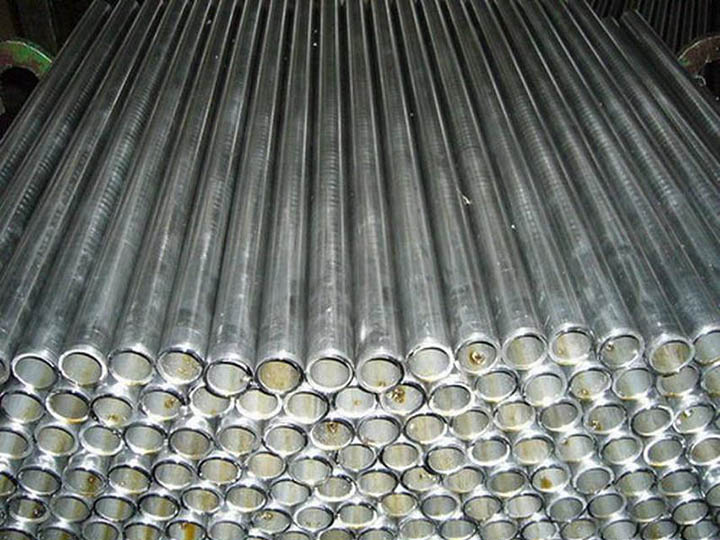
What is the culprit behind the low hardness of high-precision cold-drawn tubes?
High-precision cold-drawn pipe is a high-precision steel pipe with outstanding performance in terms of shape, size and function. However, when testing the precision cold-drawn tube, it is found that its hardness does not meet the standard requirements and is on the low side. What is the reason for this?
High-precision cold-drawn pipe is a high-precision steel pipe with outstanding performance in terms of shape, size and function. However, when testing the precision cold-drawn tube, it is found that its hardness does not meet the standard requirements and is on the low side. What is the reason for this?
During the production process of precision cold-drawn tubes, high-temperature salt bath furnaces are generally used for quenching and heating to achieve the deoxidation effect. However, in actual implementation, complete deoxidation cannot be achieved. When it interacts with the carbon on the surface of the precision cold-drawn tubes, insufficient hardness will occur.
In addition, the cooling rate during the quenching process should also have a relatively large impact on the hardness of fine cold drawn tubes. Generally, the slower the cooling rate, the more the hardness of the product will decrease. In order to avoid the occurrence of this phenomenon, salt bath deoxidation must be strictly carried out, and the cooling temperature and time must be strictly controlled to achieve satisfactory products.
In addition, the cooling rate during the quenching process should also have a relatively large impact on the hardness of fine cold drawn tubes. Generally, the slower the cooling rate, the more the hardness of the product will decrease. In order to avoid the occurrence of this phenomenon, salt bath deoxidation must be strictly carried out, and the cooling temperature and time must be strictly controlled to achieve satisfactory products.